Achieving IDEM Closure at a Complex Urban Dry Cleaner Site

EnviroForensics successfully guided a former dry cleaning facility in Brazil, Indiana, through the Indiana Department of Environmental Management (IDEM) Voluntary Remediation Program (VRP), culminating in IDEM approval of a combined Remediation Work Plan (RWP) and Remediation Completion Report (RCR), issuance and recording of a Certificate of Completion (COC), and Covenant Not‑To‑Sue (CNTS).

EnviroForensics’ work began while the dry-cleaning business was actively operating, but operations closed when the business owner passed away.  Following his passing, his family was left to navigate the responsibility of addressing historical environmental liabilities while preserving the property’s long-term value. Through strategic investigation and remediation, ultimately resulting in IDEM regulatory closure, EnviroForensics helped provide the certainty needed for the property to move forward. The site has since been successfully sold, and the building has been incorporated into the operations of a neighboring restaurant, allowing the property to move beyond its environmental legacy and continue serving the local business community.

The outcome was achieved despite highly atypical conditions, off-site impacts, and multiple exposure pathways in a dense historic downtown setting.

A Site Defined by Atypical Subsurface Conditions

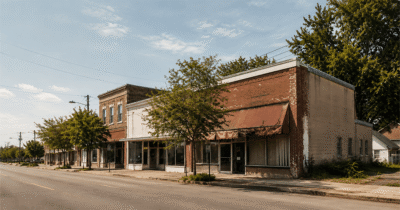
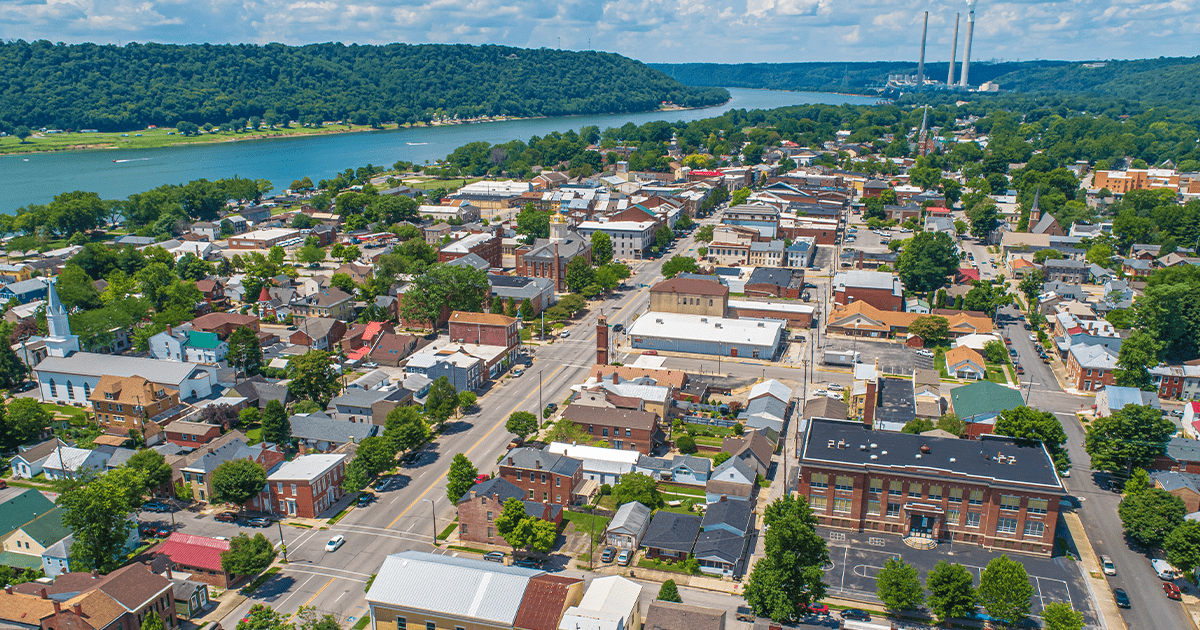
The property is located within a historic commercial corridor with buildings dating back to the 1800s. Subsurface investigations identified extensive anthropogenic fill consisting of coal cinders, sand, and construction debris. Rather than behaving as a conventional groundwater system, this fill supported shallow “fill water” that responded differently to precipitation, infrastructure leaks, and remediation efforts.

A deteriorated sanitary sewer lateral beneath the building created a preferential migration pathway, allowing chlorinated solvents to move laterally beneath adjacent properties. Impacts extended beyond the original source area, requiring investigation beneath occupied commercial buildings.

These factors required development of a refined conceptual site model incorporating historic construction, buried utilities, and non‑traditional groundwater dynamics. A conventional approach would not have adequately characterized the site.

Multiple Exposure Pathways in a Dense Urban Setting

Environmental impacts at the site were identified in multiple media, including soil, shallow fill water, groundwater within a deeper sand unit, and soil vapor. Each medium required independent evaluation and supporting lines of evidence to identify potential exposure liabilities and develop the best response.

Vapor intrusion presented particular concern due to the close spacing of buildings, shared walls, and the presence of crawlspaces and basements in neighboring properties. Two adjacent off‑site commercial properties were incorporated into the investigation and remedy. Coordination with third‑party owners was essential to address risk and long‑term obligations.

Adaptive, Multi‑Technology Remediation Strategy

Given the complexity of the site, EnviroForensics implemented a phased and adaptive remediation approach rather than relying on a single remedy.

Source Area Soil Remediation

Impacted soils were removed during the replacement of the leaking sewer lateral. This action eliminated a primary source component and preferential migration pathway early in the project.

Groundwater Treatment

Enhanced reductive dechlorination (ERD) was applied in the deeper sand unit to address impacts from dissolved chlorinated solvents. Post‑treatment monitoring demonstrated plume stability and declining concentrations, supporting IDEM’s concurrence that no further groundwater remediation was required.

Vapor Mitigation

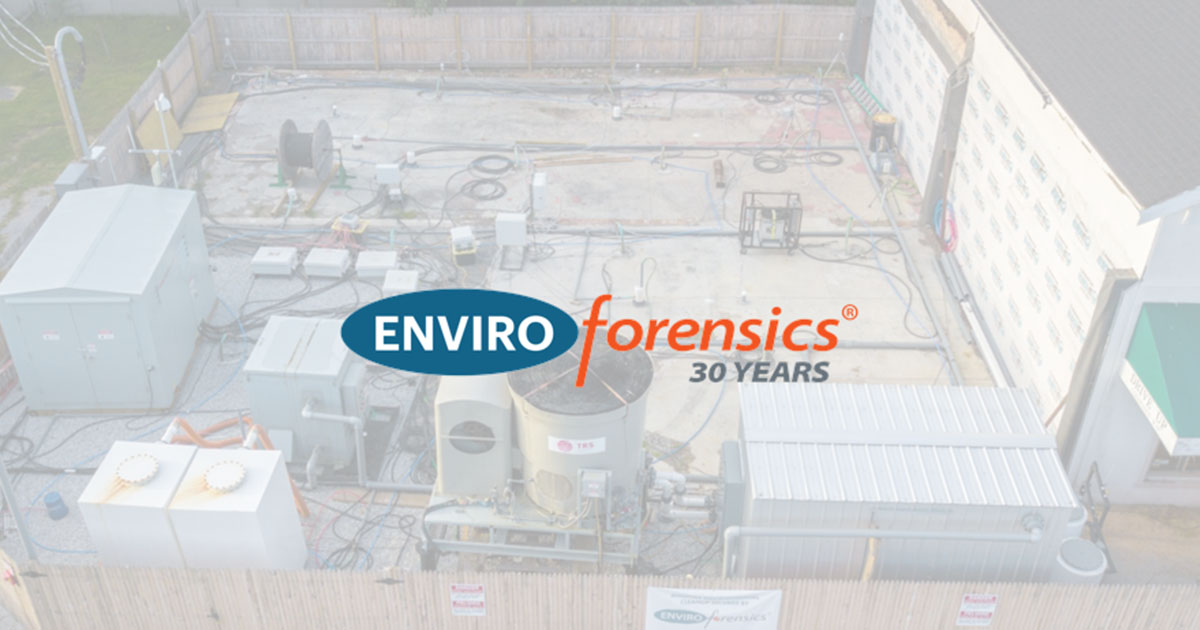
At the most impacted adjacent property, a soil vapor extraction (SVE) system was initially deployed and later converted to a sub‑slab depressurization system (SSDS). The system effectively mitigated vapor intrusion risks and transitioned to long‑term operation, maintenance, and monitoring (OMM).

Institutional and Engineering Controls

Environmental Restrictive Covenants (ERCs) were recorded on the site and three (3) affected off‑site properties. Controls included:

  • Groundwater use restrictions
  • Land use restrictions
  • Ongoing operation and maintenance of engineered controls

This integrated strategy addressed all exposure pathways while remaining responsive to evolving site data.

A Streamlined and Defensible Closure

A critical success factor was IDEM’s acceptance of a combined RWP and Closure Request. This consolidated submittal documented the complete site history, remedial actions, and post‑remediation evidence in a single, comprehensive package. By presenting a complete, risk‑based evaluation of the site, the approach minimized regulatory iteration and supported timely closure.

EnviroForensics also managed the final administrative requirements necessary for full regulatory closure, including:

  • Monitoring well abandonment
  • Recording of the Certificate of Completion with the Clay County Recorder
  • Formal notifications to affected off‑site property owners regarding post‑closure responsibilities

The result was regulatory certainty, controlled long-term risk, and defined obligations for all parties.

Demonstrating Value on Complex Urban Sites

This project demonstrates EnviroForensics’ ability to resolve challenging environmental liabilities in constrained urban environments. Our team successfully:

  • Developed a defensible conceptual site model under atypical conditions
  • Managed contaminant migration driven by aging infrastructure and preferential pathways
  • Integrated multiple remedial technologies into a cohesive, defensible strategy
  • Navigated regulatory programs while coordinating with property owners, counsel, and insurers
  • Delivered both technical remediation and administrative closure

Projects like this one reflect our ability to move complex sites from uncertainty to resolution, protecting human health, satisfying regulatory expectations, and positioning properties for long‑term stability and reuse.

Facing a complex environmental site or legacy contamination issue? EnviroForensics helps clients navigate investigation, remediation, and regulatory closure to move properties forward with confidence. Contact our team to discuss your project.

From Contamination to Closure: Achieving NFA Status for a South Bend Dry Cleaner

Through strategic collaboration, insurance recovery, and a targeted remediation approach, EnviroForensics helped a dry cleaning facility navigate complex environmental liabilities. This case underscores the importance of proactive insurance documentation and expert environmental consultation in achieving successful remediation, compliance, and regulatory site closure.

Background

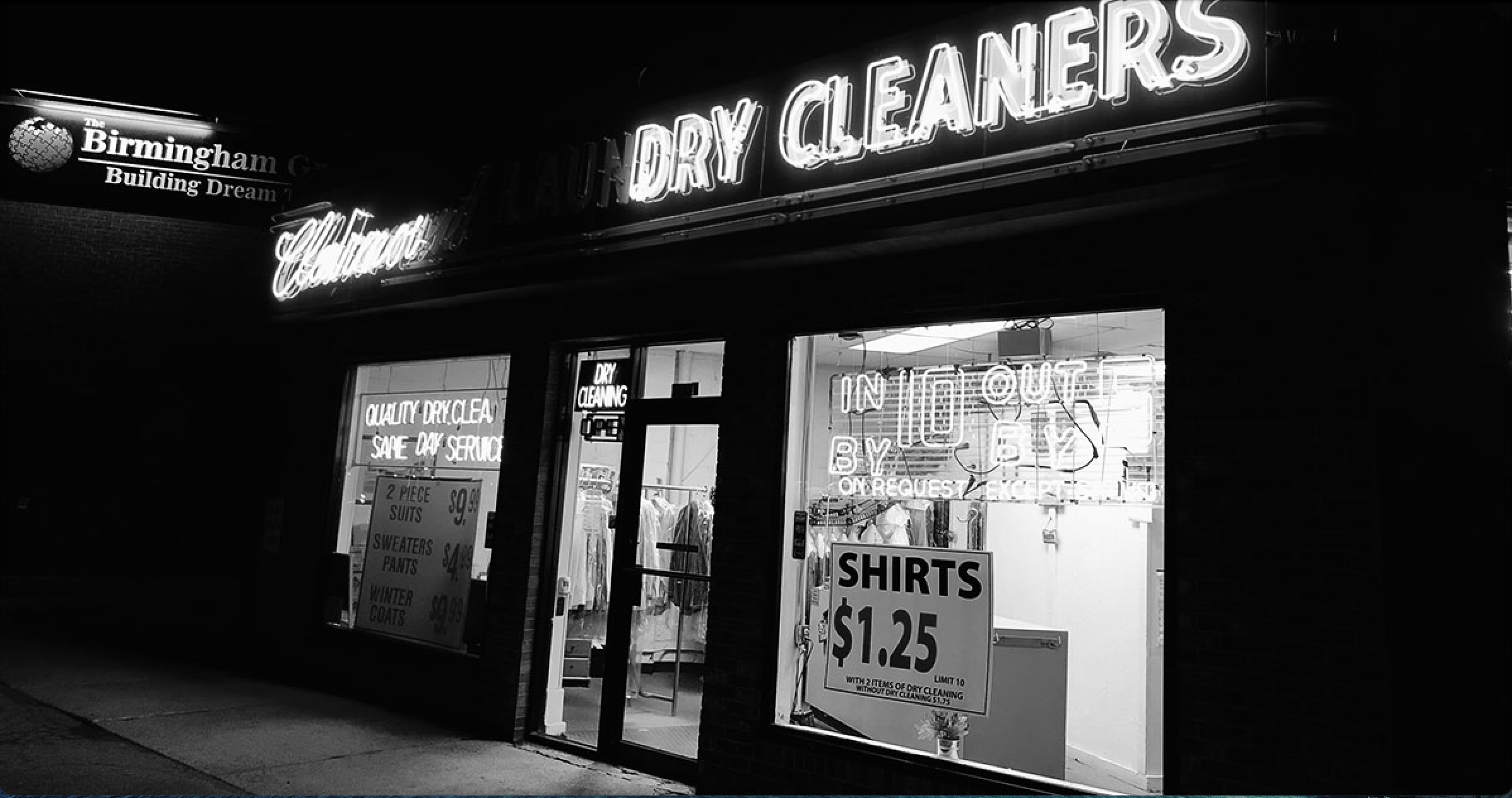
A dry cleaning facility in South Bend operated from 1972 through July 2017, during which time perchloroethylene (PCE) was used in the dry cleaning process. This resulted in both on-site and off-site soil and soil vapor contamination.

To protect himself, the dry cleaning operator, a sophisticated businessman, commissioned a Phase II Environmental Site Assessment (ESA) through an environmental firm. The Phase II ESA identified the dry cleaner as a potential source of contamination.

While the operator informed the property owners about the Phase II ESA, the owners did not report the findings to the Indiana Department of Environmental Management (IDEM). Instead, they sought legal counsel for guidance on the matter.

The Challenge

The dry cleaning operator was familiar with EnviroForensics through our industry expertise, published articles, and active involvement with dry cleaning associations. Impressed by our experience, he engaged us to help manage the environmental liabilities and guide the insurance recovery process. We collaborated closely with the operator, the property owner, and their attorney.

A key advantage in this case was the dry cleaning operator’s meticulous record-keeping. He had retained full insurance policies from the time he owned the business, allowing us to construct a comprehensive insurance coverage chart. Convincing their legal counsel that historical insurance policies could serve as a financial safety net took time, but ultimately, we demonstrated that reporting the contamination to IDEM was a manageable risk.

In January 2012, IDEM issued a Special Notice of Liability, prompting us to notify all relevant insurance carriers. The documented insurance coverage allowed for a strong defense of the claim, with multiple carriers stepping in to provide coverage.

The Solution

Remedial actions were implemented to address the contamination, including a soil vapor extraction (SVE) system. This system effectively reduced chlorinated solvent concentrations in on-site and off-site soils, bringing levels below IDEM’s Soil Migration to Groundwater Screening Levels. The remediation efforts successfully mitigated soil vapor risks beneath the buildings, ensuring a safer environment for future site use.

Due to the cleanup efforts, the business operator could sell the business to another dry-cleaning operator, who transitioned the location to a drop shop, with all dry cleaning machines removed. In 2025, the site received a No Further Action letter from IDEM. Case closed.

Cleaning Up the Past, Building for the Future: Client Secures IDEM Closure for Residential Development following Site Remediation

EnviroForensics recently assisted another client in securing a Certificate of Completion and a Covenant Not To Sue from the Indiana Department of Environmental Management (IDEM). The property, located near downtown Indianapolis and surrounded by residential neighborhoods, was acquired by our client in 2017 with the understanding that it required significant environmental remediation. Contaminated with lead and volatile organic compounds (VOCs) from historical motor freight and scrap yard operations, the site presented substantial challenges.

When a previous consultant failed to make progress, EnviroForensics promptly took action for our client. We quickly identified the scope of work necessary to address the contamination and assisted our client in pursing cost recovery for investigation and cleanup from the responsible party.

Our approach was centered on ensuring the property could fulfill its highest potential use, supporting future residential development. We crafted a strategy that met IDEM’s requirements but also addressed the needs of the surrounding community. After accurately assessing the extent of contamination and evaluating the exposure risks at the site and the adjacent properties, we launched the cleanup efforts. This included coordinating the excavation and offsite disposal of over 9,600 tons of shallow lead contaminated soil, installing and operating a Soil Vapor Extraction (SVE) system to remove VOCs from the soil, and executing targeted remedial injections to degrade VOC contaminants in groundwater.

Additionally, we collaborated with IDEM to establish a Long-Term Stewardship plan to protect nearby residents from residual groundwater impacts while the VOC breakdown progresses over time.

EnviroForensics secured the necessary funds for managing this multi-million-dollar environmental liability, allowing for the successful execution of the cleanup and restoration of the property’s value. Our commitment to our client’s success was central to the project, and we are proud to have contributed to transforming what could have been an unusable vacant lot into a property ready for new possibilities. We look forward to seeing the site evolve over the years, knowing we played a crucial role in revitalizing both the land and the surrounding community.

If you’re dealing with environmental issues, EnviroForensics can help. Our team not only manages investigation and cleanup but also helps you find funding to cover remediation costs and legal defense. Contact us today to see how we can help restore your property’s value while protecting your financial interests.